


Strategic Response Plan to the 2026 Flash Floods
On August 26th, a catastrophic flash flood struck the Nepal-Tibet border region. The disaster has killed nearly two thousand people and left many more missing across communities in Rasuwa, Nuwakot, and Dhading districts. Preliminary estimates put the number of children affected by this disaster at 17,000. NYF is responding in real-time with emergency shelter, psychological support for survivors, distribution of supplies for basic needs, and long-term care for displaced children. As of October 1st, NYF has already reached 2,000 individuals affected by the floods. (These disaster response plans are subject to change based on need.) Please scroll down to see our latest updates, shared below on our Flood Response Timeline.
This is exactly the kind of crisis NYF was built to respond to. We intend to do what we do best: put our existing infrastructure, staff expertise, and program experience to work for children and families who have lost everything. If you have any questions, please feel free to contact us at info@nepalyouthfoundation.org. You can join us in providing relief by making a donation here.
1) Distribution of emergency supplies and essential items
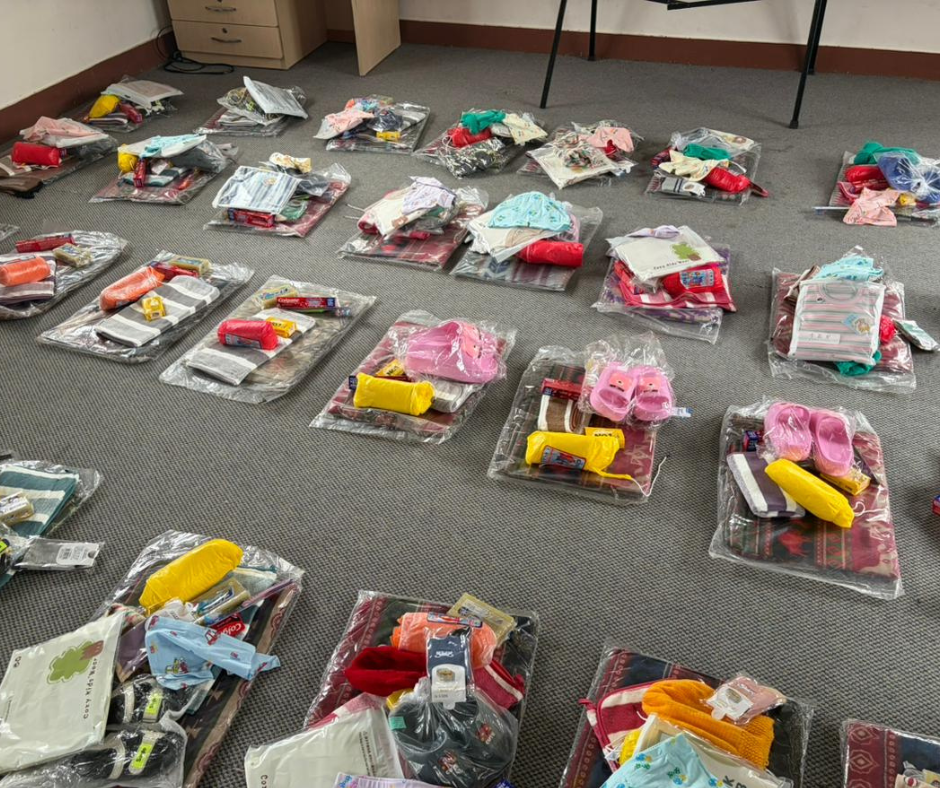
The NYF team is currently distributing medical supplies, clothing, bedding, solar lamps, cooking sets, and personal hygiene products to families and communities affected by the floods. We are also responding to sanitation and menstrual needs in holding centers by providing dignity kits that include sanitary pads, soap, and clean undergarments. Additionally, our team is distributing tents, tarpaulins, and corrugated iron sheeting to help displaced families transition out of crowded holding centers into safer, more dignified temporary housing.
2) Emergency Recovery Shelter

With thousands of flood survivors being treated at hospitals in Kathmandu, many face discharge with nowhere safe to go—their homes destroyed, and in some cases their families lost entirely. Many survivors are also coping with serious injuries or new disabilities that make an unsupported recovery impossible. NYF has converted our Nutritional Rehabilitation Home (NRH) into a temporary shelter, which is capable of housing just over 100 people at a time across two buildings. We welcomed our first patients on September 1, 2026.
3) Psychological aid for survivors
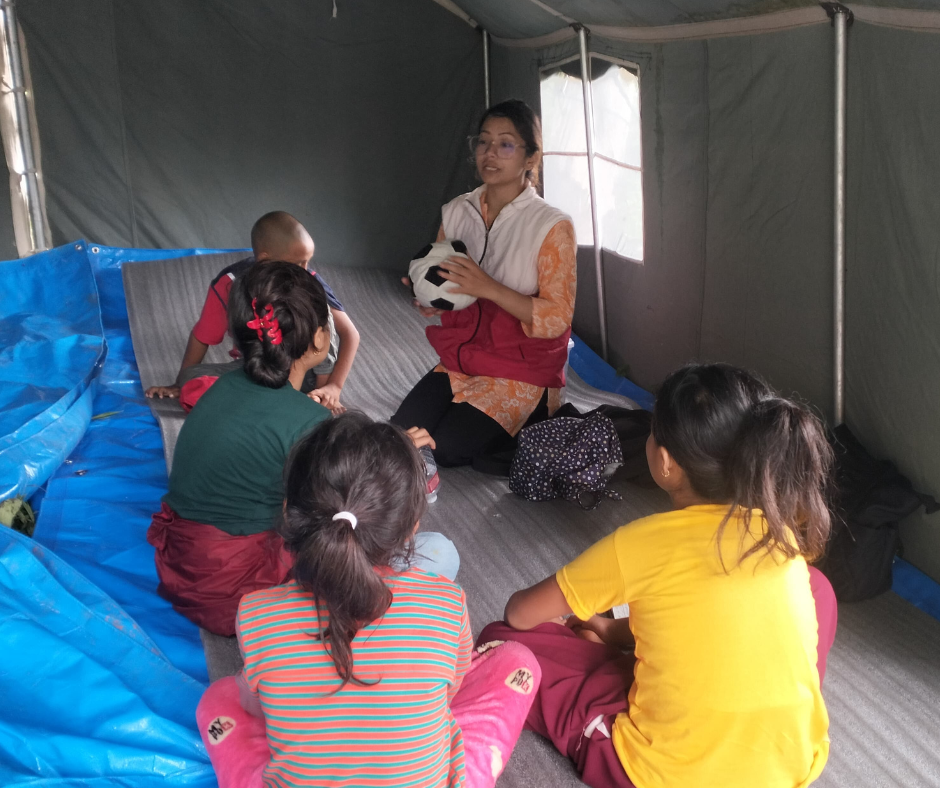
NYF has deployed therapists from our very own Ankur Counseling Center into affected regions to provide direct psychosocial care and mental health support to children and youth impacted by the floods.
4) Nutrition Support

Using our new lito production plant in the NRH facility, NYF has scaled up production of Lito, a highly nutritious and ready-to-eat flour to distribute to families, shelters, and communities that need it most. We are also establishing nutritional kitchens in (or near) holding centers in affected regions, so our nutrition staff can conduct assessments and provide nutritious meals to children, injured survivors, pregnant and lactating women, and the elderly.
5) Long-Term Support

In the long-term, NYF will be supporting affected children and families through our existing programs. We’re already placing children who have lost their parents but have living relatives able to care for them in our Kinship Care program—so children can remain with their loved ones rather than entering residential care. For children who have lost entire families, space will be opened up at Olgapuri Children’s Village. Scholarships will be offered to students whose schooling has been disrupted. And for young adults who have lost their homes and livelihoods, Olgapuri Vocational School will offer housing and job training to help them rebuild their lives.
Flood Response Updates
NYF is expanding our flood relief efforts to focus on students, as schools in the region that were not destroyed by the floods are finally reopening. Over the last two weeks, we’ve trained an additional 50 teachers (so 100 teachers total are trained) in psychosocial support, equipping teachers with the skills to help their students cope as they return to the classroom. Additionally, NYF has distributed 800 new school uniforms to students who have lost their homes and belongings in the floods. 125 of these students are receiving further support with financial stipends to cover living expenses and other school supplies.
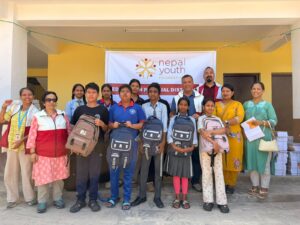
NYF’s counselors from Ankur Counseling Center are still stationed in flood-affected regions, working in four holding centers housing over 230 children & adults. Beyond regular therapy sessions, our counselors have provided psychological first aid trainings for approximately 50 teachers at three different schools in the region. Trainings also included workshops on self-care and school readiness.

On September 10, NYF provided complete kitchen sets to 150 displaced families residing in holding centers in Bidur Municipality–9, including essential utensils, water containers, rice cookers, cooking stoves, and full gas cylinders. The support will help families transitioning from holding centers to temporary homes restore their household kitchens and regain a sense of normalcy.

NYF’s counselors from our very own Ankur Counseling Center arrive in Nuwakot and begin offering psychological first aid and mental health support to flood survivors staying at the holding centers.

The NYF team reached Nuwakot with relief materials, including new clothes, towels, baby diapers, sanitary pads, slippers, umbrellas, raincoats, and other essential hygiene and sanitation supplies.

NYF met with 10 affected families who relocated to the Lolang area of Kathmandu. We provided them with relief materials, including a one-month supply of food and hygiene items. Many were women with young children who had lost their husbands in the floods.

NYF delivered urgently needed medicines, medical devices, and procedural supplies to the District Ayurveda Hospital in Nuwakot, which is now serving as a government-managed disaster relief treatment center for people affected by the flooding. After receiving a list of requested items from the hospital, our team traveled to the affected region and donated the supplies directly to the treatment center.
